


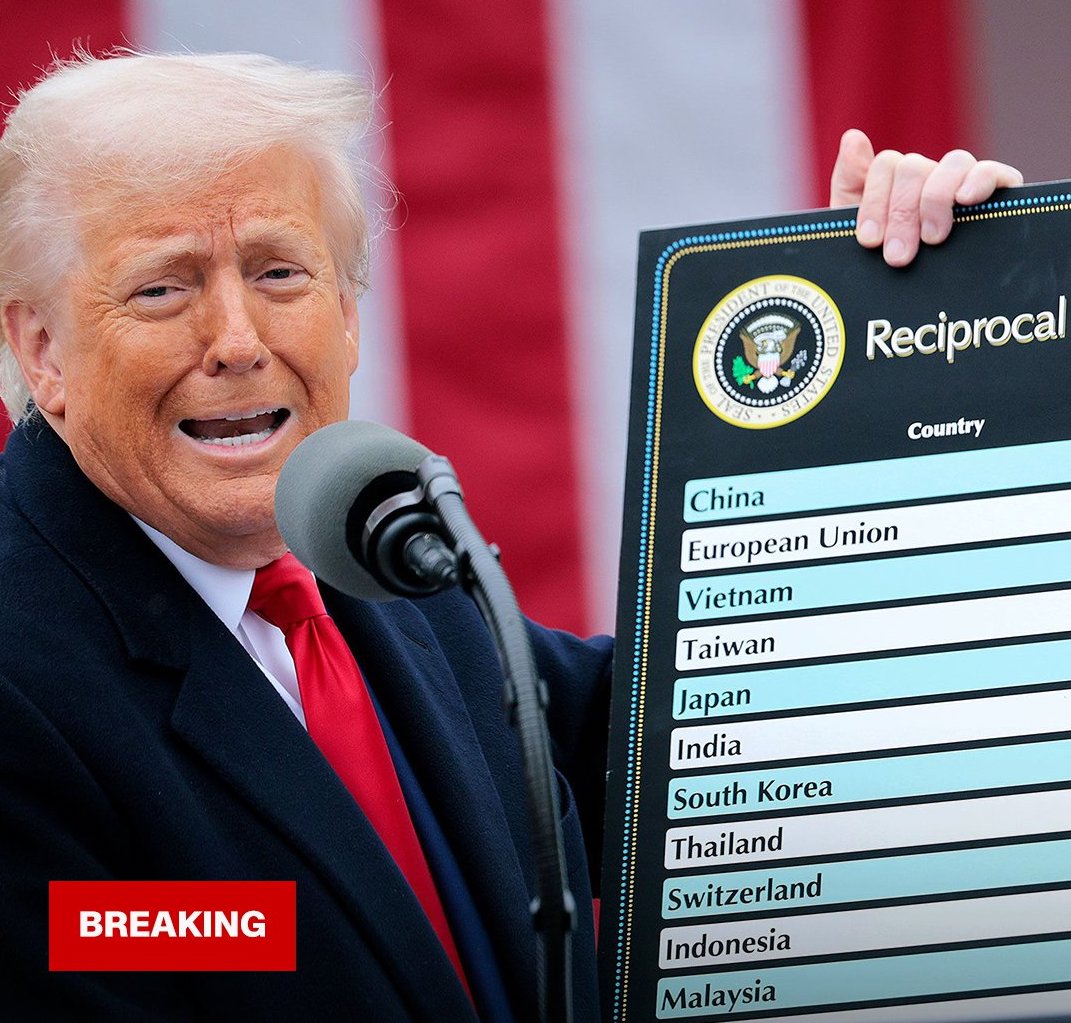
In a major blow to former US President Donald Trump’s signature trade policy, the United States Supreme Court on Friday invalidated the bulk of his sweeping tariff measures, The Washington Post reported.
According to the report, the high court ruled that the President did not have legal authority under the 1977 International Emergency Economic Powers Act (IEEPA) to impose extensive import duties on goods from nearly all US trading partners. The decision is expected to have far-reaching implications for global trade, businesses, consumers, inflation trends and household finances in the United States.
The verdict marks a notable shift for the Supreme Court, which had in recent months largely sided with the administration on several high-profile issues — including interim rulings on military service by transgender troops, government access to sensitive data, and budget authority for the Education Department, The Washington Post reported.
Economic Impact of the Ruling
The tariffs invalidated by the court covered trillions of dollars in international trade. Under the authority now struck down, the US government had collected nearly USD 134 billion in levies through December 14, according to the report.
Estimates from the Tax Foundation suggest that Trump’s trade war measures could cost American households roughly USD 1,100 each in 2025, signaling tangible effects on everyday consumers.
Context: US-India Trade Framework
The Supreme Court judgment comes just days after the United States and India announced a framework for an Interim Trade Agreement, aimed at strengthening reciprocal and mutually beneficial trade relations.
The announcement reaffirmed commitments under the broader US-India Bilateral Trade Agreement (BTA) negotiations, which were launched by President Trump and Indian Prime Minister Narendra Modi in February 2025. The Interim Agreement framework is seen as a historic milestone in economic cooperation between the two nations.
Under the framework:
- India agreed to eliminate or reduce tariffs on all US industrial goods and a range of agricultural products, including dried distillers’ grains (DDGs), red sorghum, tree nuts, fruits, soybean oil, wine and spirits.
- The United States pledged a reciprocal tariff rate of 18 percent on originating Indian goods — including textiles, leather, footwear, plastics, organic chemicals, home décor items and certain machinery — under Executive Order 14257 (April 2, 2025), as amended.
Subject to the full conclusion of the Interim Agreement, the US may remove tariffs on additional Indian products identified for future tariff adjustments, including generic pharmaceuticals, gems and diamonds, and aircraft parts under Executive Order 14346 (September 5, 2025), as amended.
Earlier Tariffs
Prior to these developments, the United States had levied a 50 percent tariff on certain Indian goods, including a 25 percent tariff on imported oil from Russia, reflecting ongoing tensions and trade policy shifts during the Trump administration.
