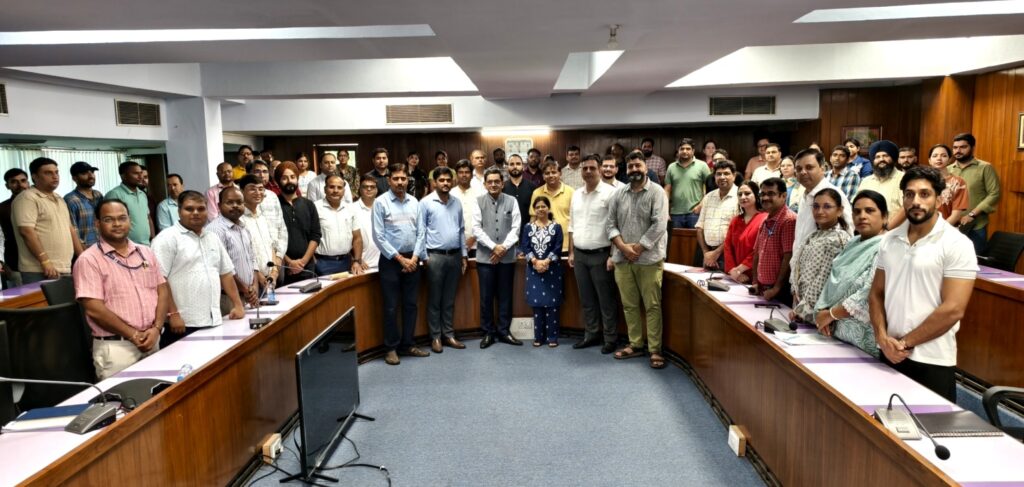


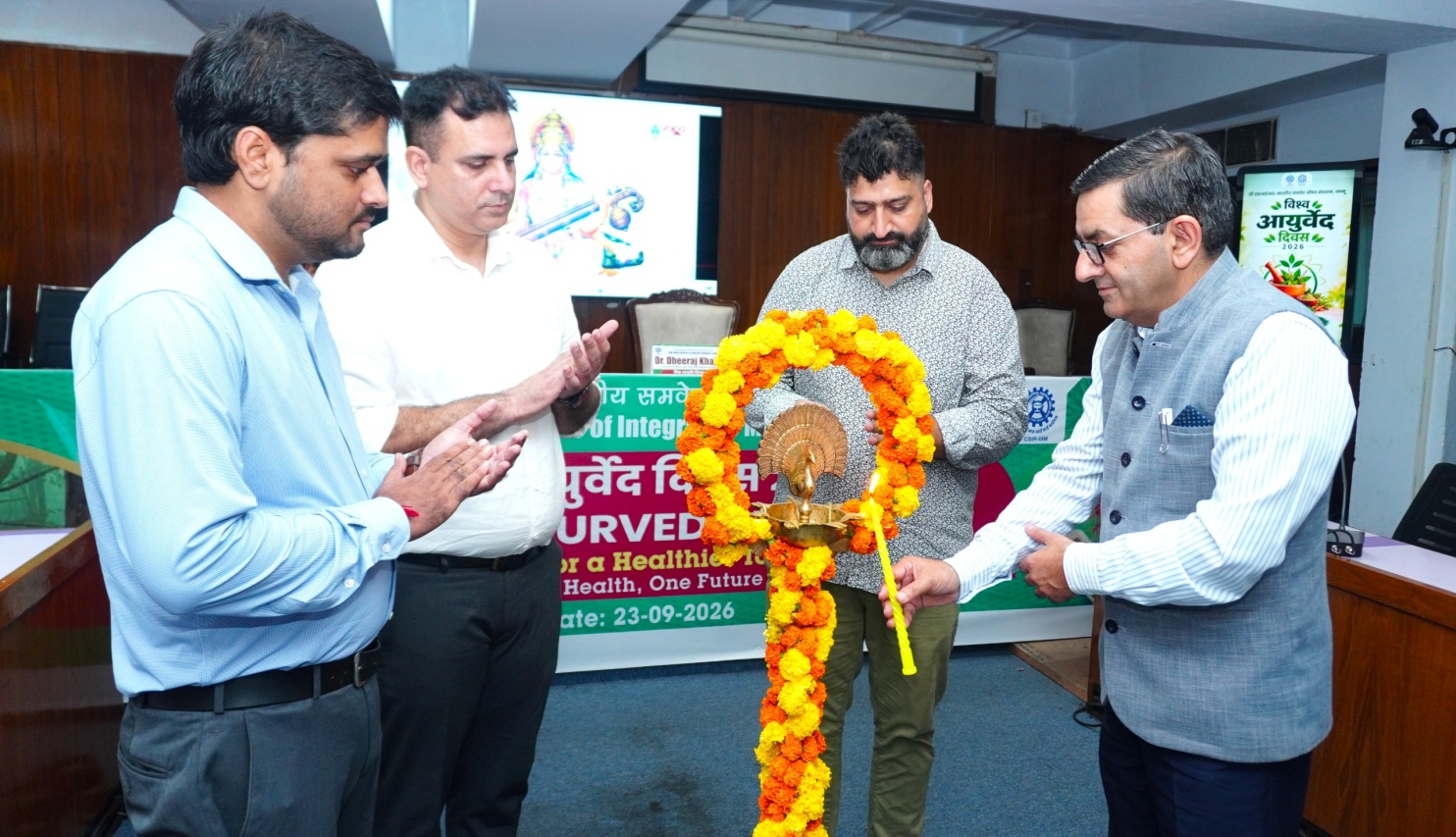
JAMMU: CSIR-Indian Institute of Integrative Medicine (CSIR-IIIM), Jammu, observed World Ayurveda Day 2026 with a call for greater scientific validation, modernisation and global acceptance of India’s traditional systems of medicine.
The programme, held under the theme “Ayurveda for a Healthier Tomorrow,” brought together scientists, researchers, technical and administrative staff and students for deliberations on strengthening Ayurveda through scientific research and its wider integration with contemporary healthcare.
Addressing the gathering, Dr Zabeer Ahmed, Director, CSIR-IIIM Jammu and CSIR-NBRI Lucknow, said Ayurveda represented a rich traditional knowledge legacy that needed to be carried forward through modern scientific research, evidence-based validation and systematic development. He said contemporary scientific advances offered an opportunity to strengthen traditional systems while exploring their potential contribution to modern healthcare.
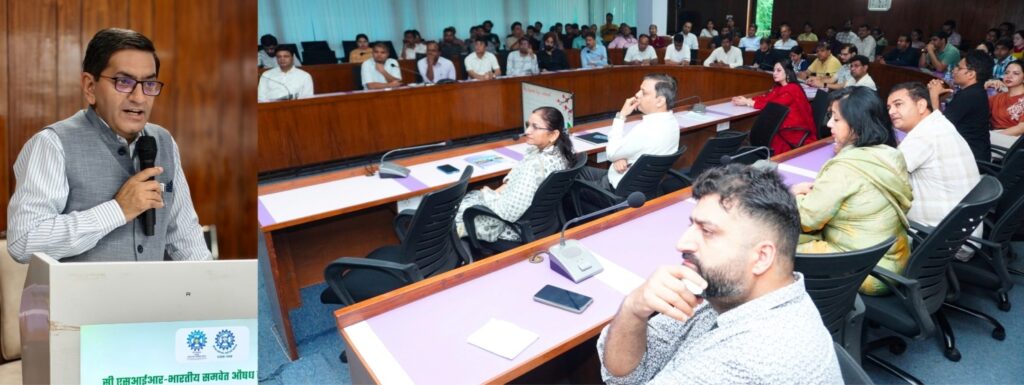
Dr Ahmed emphasised that Ayurveda should be viewed not merely as a treatment system but as an approach encompassing the wellbeing of the mind and body and the relationship between health and the environment. He also stressed the importance of preventive healthcare and research into factors involved in disease initiation and progression.
Highlighting the role of CSIR-IIIM, Dr Ahmed outlined a three-point “APC” approach — Advancement, Promotion and Collaboration. He stressed the need for modernisation, scientific validation, characterisation, quality control and evidence-based research on Ayurvedic formulations and traditional knowledge. India’s biodiversity and plant resources, he said, offered significant opportunities for scientific exploration and drug discovery when subjected to rigorous scientific evaluation.
He also called for greater visibility of traditional systems among industry, researchers, healthcare professionals and the public, particularly the younger generation. Emphasising collaboration, he said scientific and research institutions, academic bodies, hospitals, traditional practitioners, knowledge holders and policymakers needed to work together to advance validation, standardisation and modernisation of traditional formulations.
Dr Ahmed further stressed the importance of taking Indian traditional knowledge to the global platform while maintaining scientific rigour. He said credible scientific evidence would be essential for Indian traditional formulations to gain wider acceptance in the global healthcare landscape.
Dr Dheeraj Khajuria of Government College of Ayurvedic Sciences, the special guest, spoke on the historical significance of Ayurveda and its potential role in contemporary healthcare. He emphasised evidence-based research, scientific validation and transparent communication to build public confidence in Ayurveda.
Dr Khajuria called for stronger research standards, scientific databases and botanical and pharmacological studies to generate reliable evidence for Ayurvedic interventions. He also highlighted opportunities in personalised healthcare, lifestyle interventions and integrated healthcare models, while cautioning against misleading advertisements and unsubstantiated claims relating to traditional medicines.
Earlier, Dr Qazi Naveed Ahmed, Scientist-F and Head, Natural Products & Medicinal Chemistry Division, delivered the welcome address and highlighted CSIR’s efforts to translate traditional knowledge into scientifically validated therapeutic leads. He said CSIR-IIIM Jammu was serving as a nodal laboratory in a collaborative research programme involving multiple CSIR laboratories.
Dr Qazi highlighted progress under the programme, including Picroliv from CSIR-CDRI, which is in Phase III clinical trials for non-alcoholic fatty liver disease (NAFLD), as well as research leads emerging from CSIR-IIIM involving compounds from Crocus and other natural-product sources. He said an Investigational New Drug (IND) application had been filed for one of the Crocus-related leads, with additional applications under preparation.
The programme concluded with a vote of thanks by Dr Nasir ul Rasheed, Scientist-E, RMBD&IST Division, who expressed gratitude to the special guest, Director, heads of divisions, scientists, researchers, staff and students for their participation in the World Ayurveda Day programme.