


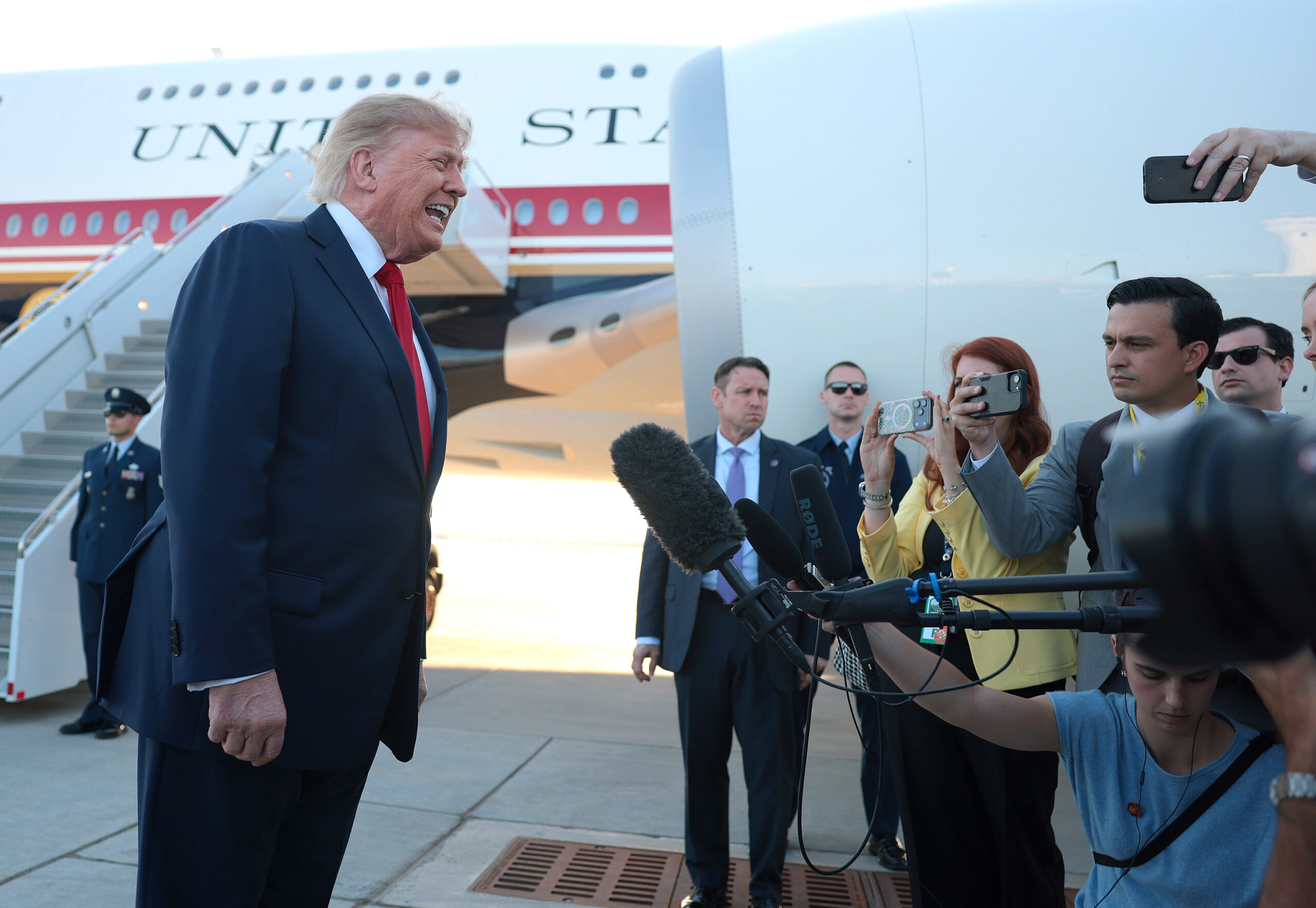
WASHINGTON: The US House of Representatives has passed the Lindsey O. Graham Sanctioning Russia and Iran Act of 2026, giving President Donald Trump the authority to impose tariffs of up to 100% on countries including India and China over their continued purchases of Russian oil and gas. The legislation passed the House by 262 votes to 159 and now heads to the White House.
The bill, which had earlier cleared the US Senate by an 86-11 vote, seeks to intensify economic pressure on Russia over its war in Ukraine. It targets Russia’s energy and defence sectors as well as its so-called “shadow fleet” of tankers accused of helping Moscow circumvent existing sanctions, while also expanding sanctions against Iran.
India Among Countries Facing Potential Tariffs
For India, the most significant provision is the authority granted to the US President to impose secondary tariffs of up to 100% on countries that continue purchasing Russian energy. India and China have been specifically identified as major buyers potentially affected by the provision.
However, the passage of the legislation does not automatically impose a 100% tariff on Indian goods. Instead, it creates a legal mechanism that would allow President Trump to impose such tariffs. The decision on whether and how to exercise that authority would remain with the White House.
The legislation is aimed at putting additional economic pressure on Russia by targeting countries that continue to purchase its oil and gas. Supporters of the measure have argued that the tariff authority could encourage major buyers to reconsider their dependence on Russian energy.
Concerns Over Expanded Presidential Powers
The bill also faced opposition from some Democratic lawmakers, who raised concerns over granting the President broad additional tariff powers. Several proposed amendments seeking to alter or limit the tariff provisions were defeated during the House proceedings.
The legislation was originally introduced in April 2025 by the late Republican Senator Lindsey O. Graham and was subsequently renamed in his honour. It passed the Senate in August before receiving final House approval on September 16.
What It Means for India
The legislation adds another layer of uncertainty to India-US trade relations and India’s energy purchases from Russia. India has significantly increased its Russian crude purchases since the Ukraine conflict disrupted traditional global energy markets.
The immediate impact on India will depend on whether President Trump chooses to exercise the new tariff authority and, if so, the scale and scope of any measures adopted.
With the House vote complete, the legislation has now been sent to the White House for President Trump’s consideration.
