


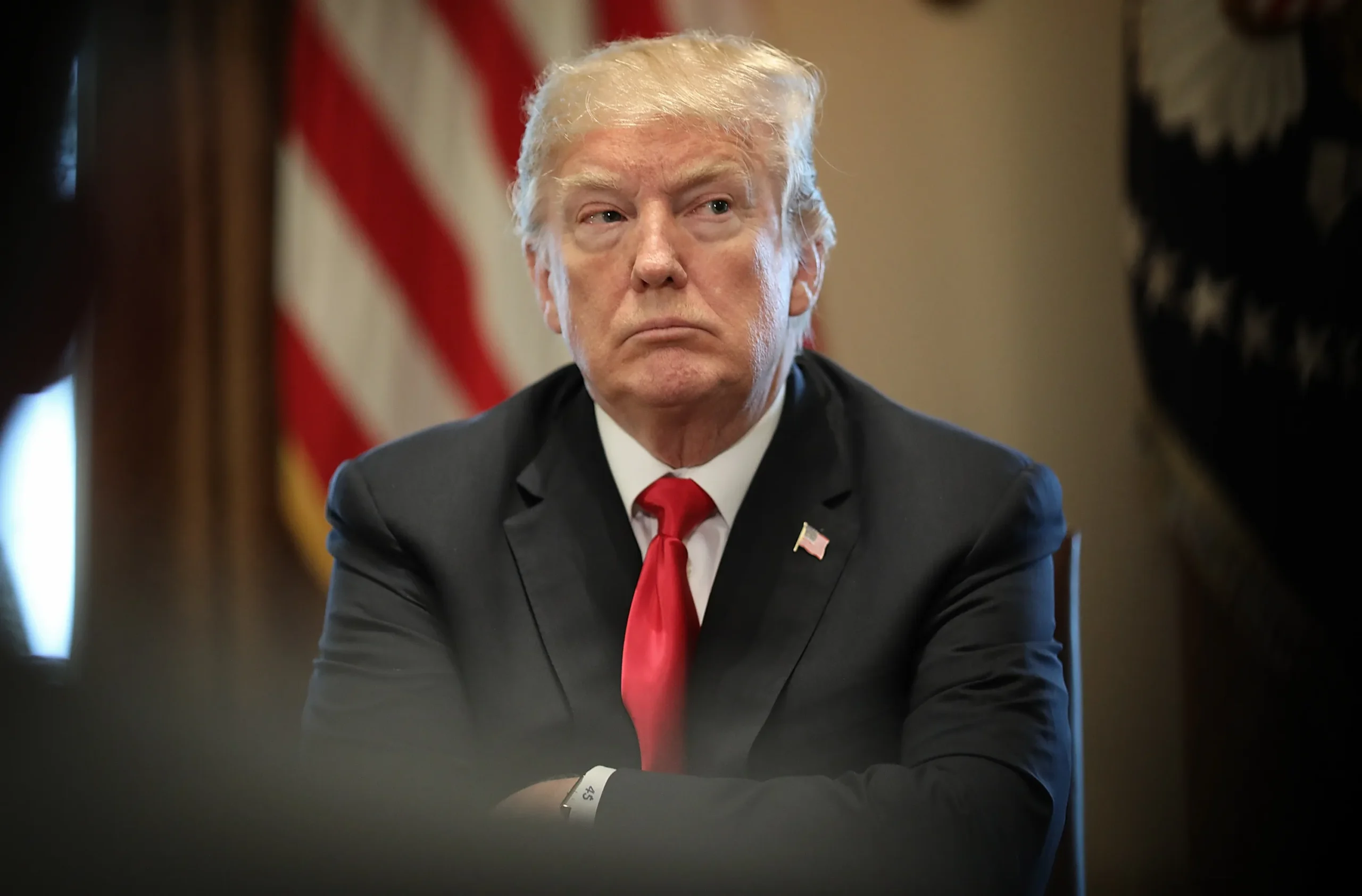
Five weeks into the Iran war, US President Donald Trump has told aides he is willing to end “Operation Epic Fury” even if the strategically crucial Strait of Hormuz remains largely closed, according to a report by The Wall Street Journal citing senior officials.
Officials said reopening the key maritime chokepoint would be a complex operation and could extend the conflict beyond Trump’s preferred four- to six-week timeline for concluding the military campaign.
The move, if implemented, could leave Iran with significant control over the waterway. The ongoing disruption has already curtailed oil flows and pushed up global crude prices. While a future operation to reopen the strait remains possible, it is not an immediate priority, the report noted.
Despite Trump’s push for a swift end to the war, the US has continued to build up its military presence in the region. Over the weekend, the USS Tripoli, along with more than 2,500 Marines, was deployed. The administration is also considering sending an additional 10,000 ground troops and evaluating a complex mission targeting Iran’s uranium assets.
Focus on ‘Core Objectives’
In recent days, Trump and his aides assessed that reopening the strait could prolong the conflict. Instead, the US is focusing on weakening Iran’s naval capabilities and missile stockpiles before winding down hostilities and increasing diplomatic pressure on Tehran to restore trade flows.
At a White House briefing, Press Secretary Karoline Leavitt said ensuring safe passage for oil tankers through the strait is not among the administration’s “core objectives.”
Secretary of State Marco Rubio said the waterway would “reopen one way or another,” either through Iran’s compliance with international law or through coordinated action by global and regional powers.
Despite sustained US strikes and naval losses, Iran continues to threaten commercial shipping in the region. However, it has allowed limited passage for vessels from allied countries, including India.
Throughout the conflict, Trump has sent mixed signals on the importance of the Strait of Hormuz—at times threatening escalation, while at others downplaying its strategic relevance for Washington.
