


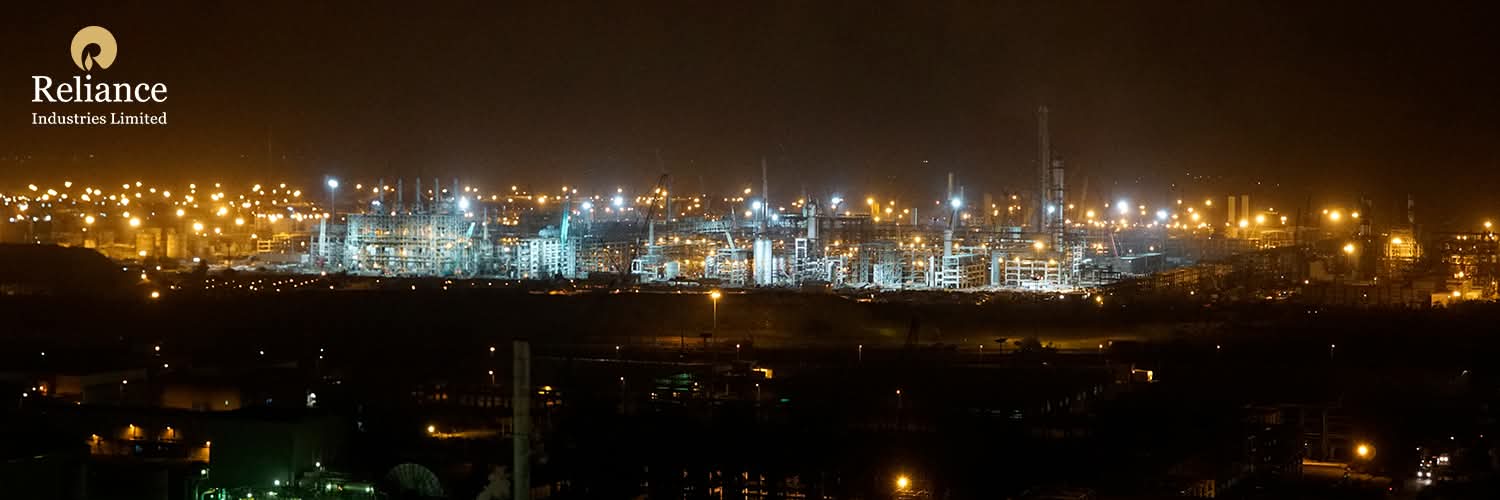
NEW DELHI: Reliance Industries on Tuesday said it is taking proactive steps in line with government guidelines to maximise production of Liquefied Petroleum Gas (LPG) from its refining and petrochemicals complexes at Jamnagar Refinery Complex in Gujarat, the world’s largest integrated refining hub.
In a statement, the company said it will continue to work closely with the Government of India and remain fully compliant with national guidelines and allocation priorities to ensure stable fuel supplies.
The move comes amid the ongoing crisis in West Asia, which has raised concerns about global energy supply and India’s energy security.
“At a time when global energy markets are experiencing volatility, ensuring uninterrupted access to essential fuels for Indian households remains a national priority,” the company said, adding that teams are working round the clock to optimise refinery operations and enhance LPG output.
Reliance also said that natural gas produced from the KG-D6 Basin will be diverted to support supply to priority sectors in line with government directives.
The company reiterated its commitment to supporting India’s energy security during global uncertainty, stating that ensuring reliable access to essential fuels for Indian households remains a key priority.
Meanwhile, the Ministry of Petroleum and Natural Gas has invoked the Essential Commodities Act to ensure uninterrupted supply of domestic cooking gas. The government has directed refineries and petrochemical units to maximise LPG production and divert key hydrocarbon streams to the LPG pool.
Under the order, priority allocation of natural gas will be maintained at 100 per cent of the past six-month average consumption for sectors such as domestic piped natural gas supply, compressed natural gas (CNG) for transport, LPG production and essential pipeline operations.
Fertiliser plants will receive about 70 per cent of their past six-month average gas consumption, while tea industries, manufacturing units and other industrial consumers connected to the national gas grid will receive around 80 per cent of their average consumption, subject to operational availability.
City Gas Distribution entities have also been asked to ensure that industrial and commercial consumers supplied through their networks receive about 80 per cent of their past six-month average gas consumption.
To absorb potential LNG supply disruptions, oil refining companies have been directed to reduce gas allocation to refineries to nearly 65 per cent of their past six-month consumption, subject to operational feasibility.
The ministry has also introduced a 25-day inter-booking period for LPG cylinders to discourage hoarding and prevent black marketing while ensuring steady availability of cooking gas for households.
