


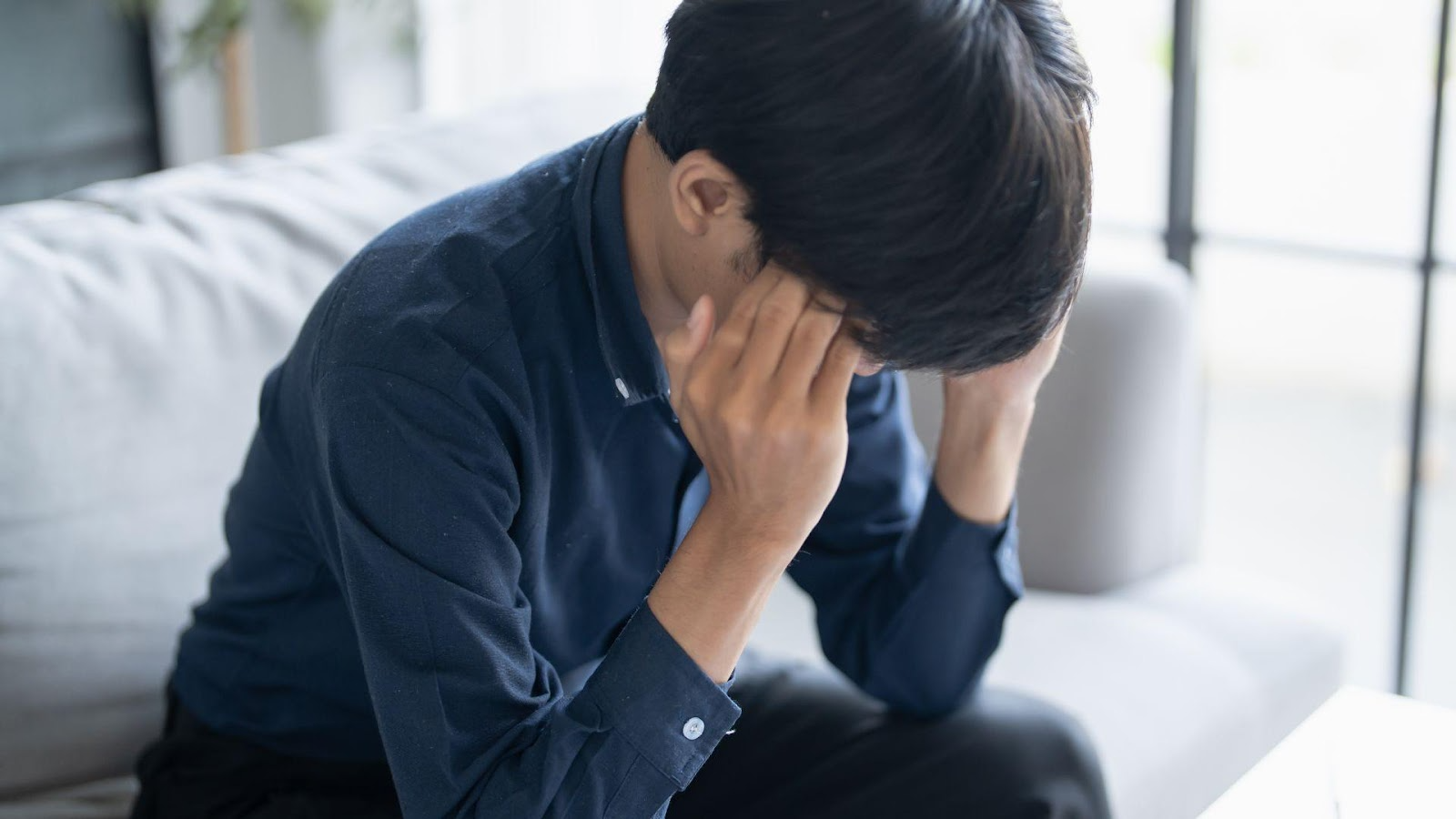
Dehydration is a relatively common cause of headache. Regardless of the fact that you may not drink enough fluids, lose fluids through sweating, or have an underlying physiological condition, dehydration can cause a significant amount of discomfort including headaches. Identifying the mechanism, signals that you may be dehydrated, and measures you need to take to correct dehydration are vital steps for prevention and relief.
How Dehydration Causes Headaches
Dehydration is defined as the condition of water and electrolyte loss being greater than the body’s intake, therefore disturbing the body’s fluid balance. Several biological methods describe how dehydration can affect head pain, including:
- Brain Volume Retraining: The brain will naturally shrink when dehydrated due to the loss of fluid. The contraction causes the protective coverings (meninges) of the brain to pull away from the skull, which can elicit pain. The headache may feel like a dull constant ache to severe migraine-like symptoms and can occur in separate locations of the head.
- Decreased Blood Volume: Dehydration will lead to decreased blood volume, which means decreased nutrient and oxygen delivery to the brain, which are necessary for optimal performance. This compromised delivery may also lead to cerebral vasoconstriction, another contributor to headache pain.
- Electrolyte Imbalance: Electrolytes such as sodium, potassium, and magnesium are responsible for regulating all of the nerves and muscles in your body. They must all be in balance and dehydration can upset their equilibrium, causing muscle cramps, fatigue and headaches, among other potential symptoms.
- Blood Viscosity Increase: Dehydration can increase blood viscosity which can have downstream effects including circulation impairment and triggering pain receptors. Severe dehydration can lead to rare issues such as cerebral venous sinus thrombosis which can lead to headaches that occur suddenly and are often on one side of the head and can be very intense. Over-the-counter options like a disprin tablet are sometimes used for relief, though addressing the root cause—hydration—is essential.
Identifying Dehydration Headaches
Dehydration headaches have signs or symptoms that can be distinguished from other headache types Identifying these symptoms early helps you take steps:
- Aching/Throbbing Pain: Pain can occur throughout the head or in particular locations, and it may actually become more intense with minimal movement.
- No Sinus/Neck Pain: The lack of “significant” neck or facial pain may help direct away from tension headaches or sinus headaches when caused by dehydration.
- Movement Increases Pain: Even normal activities, such as bending over to pick something up, or walking, can worsen the pain intensity.
Dehydration symptoms typically accompany:
- Thirst/dry mouth
- Decreased or dark urine (urine can be clear, dark, yellow)
- Drowsiness, fatigue, or dizziness
- Poor skin turgor
- Confusion (severe symptoms)
- Increased heart rate and decreased blood pressure
- Increased respiration or lack of sweating (verging on severe type)
Risk Factors for Dehydration Headaches
There are numerous lifestyle and environmental factors that can increase the risk for headache due to dehydration:
- Hot/humid weather – more sweat loss equals more fluid loss
- Exercise – rapid sweating that is not replenished can develop into symptoms
- Diarrhea and vomiting – fluid and electrolyte loss can develop from gastrointestinal illness/infection
- Fasting – Fasting without significant fluid intake can develop headaches symptoms within 8-16 hours
- Medication – Diuretics and some forms of medical treatments (including radiation therapy) cause loss of fluids
- Alcohol – Alcohol has a diuretic effect and can cause headache related to dehydration
Preventing Dehydration and Dehydration Headaches
The best way to avoid dehydration headaches is to be cautious about your fluid intake and to think about the common causes of dehydration:
- Drink Water – drink water regularly, in small quantities throughout the day, rather than at one time, in larger amounts. Monitor blood loss, if you’re working out or in hot weather or illness, add on extra.
- Restrict Caffeine and Alcohol both will make you urinate more and lose a lot of the fluid.
- Include Electrolytes, during moderate to intense activity or illness oral rehydration solutions or electrolyte drinks can be great for maintaining yours.
- Eat hydrating foods, fruits and vegetables are hydrating due to their water content.
- Listen to thirst cues and monitor your urine color, when it’s pale yellow you’re okay, darker urine indicates dehydration.
Remedies for a Dehydration Headache
Fast and simple treatment will require fluid replenishing and headache treatment:
- Rehydrate, the most simple solution is to hydrate yourself by drinking water. Moderate dehydration can mean being dehydrated by 16-32 ounces of water over a few hours.
- Rest, if possible, lie down in the conditions that minimize headache triggers will help your headache recover. A cool room would be helpful.
- Oral rehydration solutions, when dehydrated moderately to severely are better to consume because they replace fluids and electrolytes when you are severely dehydrated.
- Medication, pain relief medication, like a disprin tablet can sometimes relieve the headache pain temporarily but the imbalance of fluids needs to be corrected before this step.
- If vomiting-inducing scenarios have made it impossible to drink water or become unable to keep fluids down, requiring medical intervention may lead you to intravenous fluids.
When to seek medical attention
Dehydration headaches that are more severe or continuing should have medical attention, especially when they develop with:
- High fever or confusion
- Fainting or delirium
- Vomiting unable to stay hydrated
- Strained blood in stools or vomit
- Sunken eyes or shriveled skin
Sometimes medical attention may eliminate the possibility that you have developed something more serious and send you on the right path for management.
Long-term Prevention Techniques
Developing routine hydration activities and recognizing situational risks remains the key to reducing the likelihood of further episodes:
- Carry a reusable water bottle with you and take sips consistently.
- Use reminders while taking a drink especially when busy or doing something strenuous.
- Education of children and elderly regarding hydration needs based on the nature of thirst, especially some elderly individuals are not always in a position to sense thirst.
- Always consider factors such as temperature, physical activity and illness to adjust fluid intake.
