


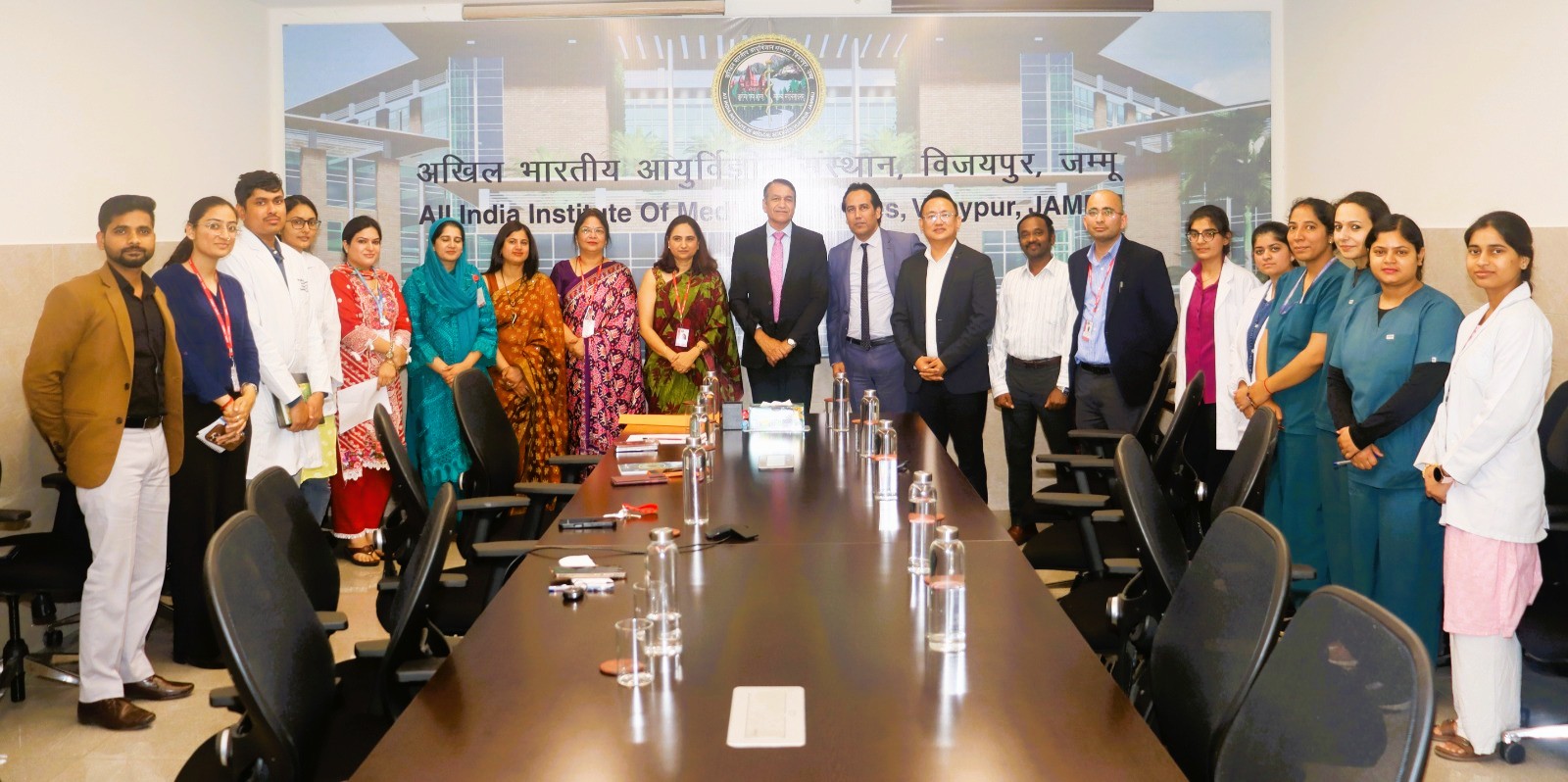
JAMMU: In a significant boost to cancer care in the region, AIIMS Jammu has announced plans to establish advanced ocular oncology services, aiming to reduce the need for patients from Jammu & Kashmir to travel outside the Union Territory for specialized eye cancer treatment.
The announcement follows a one-day symposium on “Establishing Plaque Brachytherapy Program for Ocular Oncology,” where leading experts from ophthalmology and radiation oncology gathered to discuss advancements, infrastructure, and clinical requirements in the field.
Currently, such advanced services are largely limited to AIIMS New Delhi, placing a logistical and financial burden on patients seeking timely diagnosis and treatment. The proposed initiative at AIIMS Jammu is expected to significantly enhance accessibility and strengthen regional healthcare infrastructure.
The inaugural session was led by Prof. (Dr.) D.N. Sharma, Executive Director and CEO of AIIMS Jammu, who emphasized the importance of developing specialized oncology services. Prof. (Dr.) Meeta Gupta, Dean (Academics), also highlighted the value of academic collaborations in advancing healthcare.
Dr. Bhavani Raina outlined the existing capabilities at AIIMS Jammu and stressed the growing demand for integrated ocular oncology care. Prof. (Dr.) Shabab Lalit Angurana, Dean (Research) and Head of Radiation Oncology, provided insights into current brachytherapy services and the department’s role in addressing rising clinical needs.
Dr. Nitin Kumar from the Department of Ophthalmology underscored the urgency for expanding specialized services, citing increasing patient requirements.
The symposium featured expert sessions by specialists from AIIMS New Delhi. Discussions covered clinical techniques, radiation therapy applications, and technical requirements for plaque brachytherapy—a key treatment for ocular tumors.
A panel discussion, moderated by Dr. Ridham Nanda, focused on practical strategies for implementing these services at AIIMS Jammu.
Experts also highlighted key challenges, including regulatory approvals from the Atomic Energy Regulatory Board (AERB), infrastructure demands, radiation safety compliance, and the need for trained multidisciplinary teams.
Additional concerns included procurement and handling of radioactive materials, patient selection protocols, treatment planning, and long-term follow-up care. Speakers emphasized the importance of structured training and institutional readiness to overcome these barriers.
The symposium concluded with a vote of thanks by Dr. Nazia Anjum, marking what officials described as a crucial step toward expanding specialized cancer care and improving patient outcomes in the region.
