


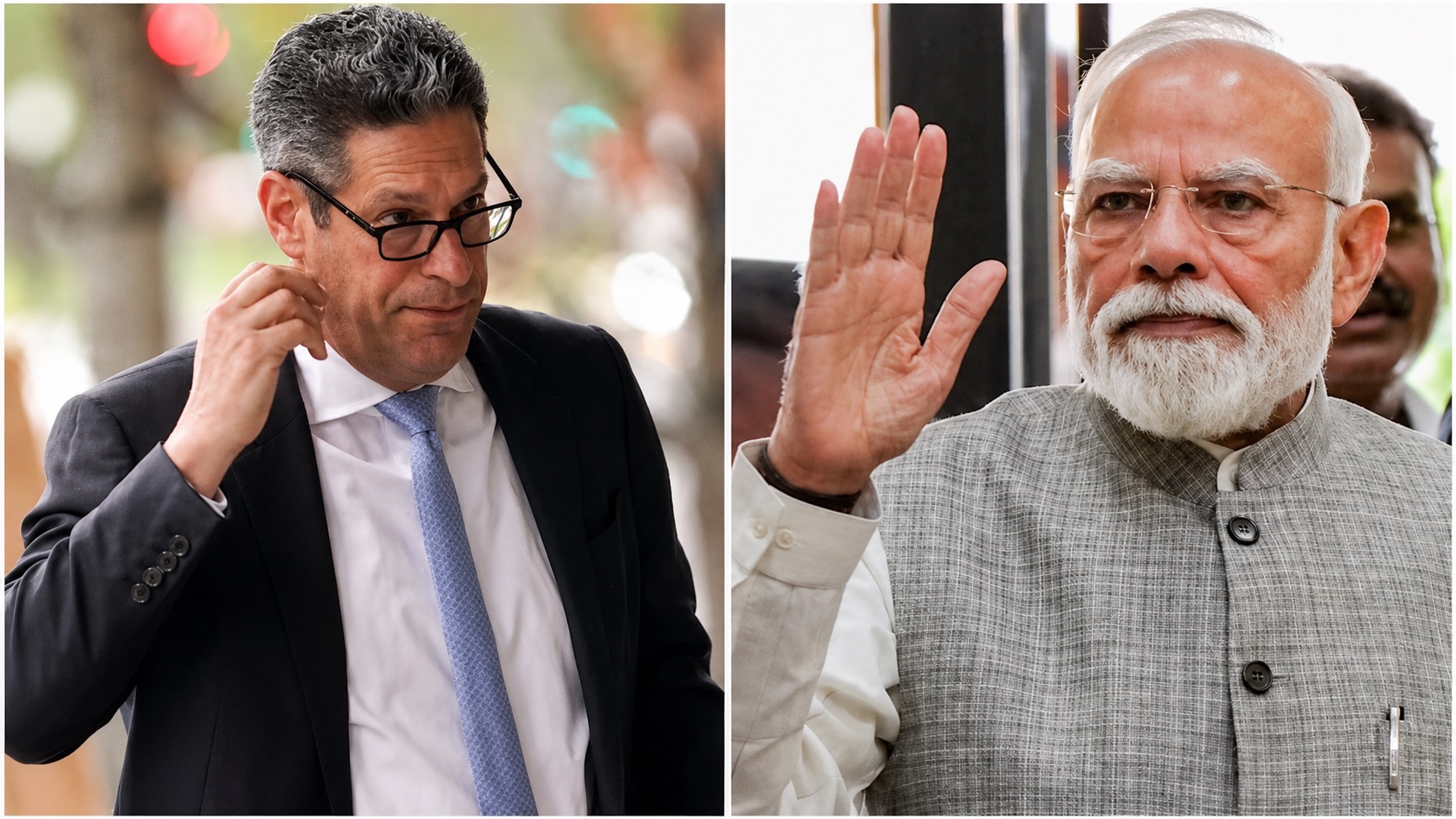
NEW DELHI: Meta on Wednesday apologised for briefly restricting a Facebook video of Prime Minister Narendra Modi, with the company’s Chief Global Affairs Officer Joel Kaplan describing the action as an error.
“I apologised to the minister on behalf of Meta for the error restricting PM Modi’s post,” Kaplan said.
The apology came after the Parliamentary Standing Committee on Information Technology sought an apology from Meta Chief Executive Officer Mark Zuckerberg over the removal of the Prime Minister’s video from Facebook for about five to six hours.
The video reportedly contained Modi’s address to students and young people on examination controversies and the government’s proposed action against paper leaks.
In a communication to the Secretary of the Ministry of Electronics and Information Technology, the Lok Sabha Secretariat said the committee had viewed the removal of the video “very seriously”.
The letter, signed by Lok Sabha Secretariat Director A. Jyothirmayi, reportedly warned that the protection and immunity available to Zuckerberg could be reconsidered unless he apologised within three days.
Separately, government sources claimed that Zuckerberg had expressed regret over the circulation of Child Sexual Abuse Material, deepfake content and shortcomings in the operation of Meta’s platforms during high-level consultations with the Centre.
According to the sources, officials questioned Meta executives over child safety and maintained that social media platforms could not earn advertising revenue from abusive content while simultaneously seeking legal immunity as intermediaries.
The two-day discussions between officials of the Ministry of Electronics and Information Technology and Meta’s global leadership focused on platform accountability, content moderation and compliance with Indian laws.
Sources, however, said those consultations did not include the controversy surrounding the removal of Modi’s video.
During the discussions, Meta reportedly acknowledged lapses in content moderation and expressed regret over the handling of harmful material on its platforms. Company representatives were called for another meeting.
Government officials also questioned whether Meta should continue to receive safe-harbour protection under Section 79 of the Information Technology Act.
The provision generally protects intermediaries from liability for third-party content, provided they comply with legal requirements and remove unlawful material when directed by courts or authorised government agencies.
Officials argued that Meta’s algorithms actively decide which content is amplified and shown to users and, therefore, the company may not qualify as a neutral intermediary.
“It was made clear to them that they are not covered under the definition of an intermediary. They select who receives the content. Therefore, the safe-harbour protection under the IT Act is not applicable,” sources said.
The discussions also covered Meta’s business and content-promotion practices. Sources claimed that the company admitted spending substantial amounts to amplify certain categories of content and expressed regret over some of those decisions.
