


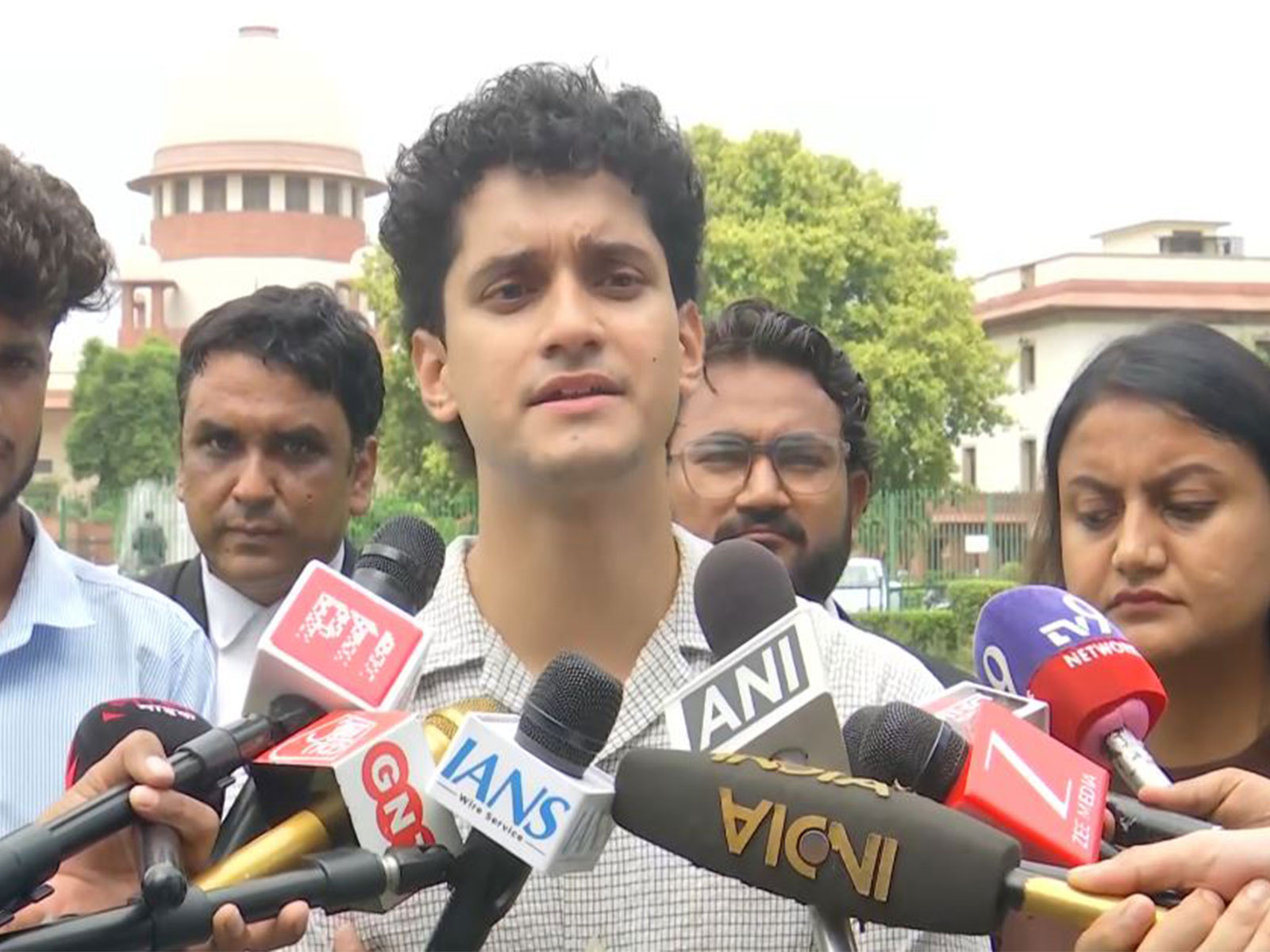
NEW DELHI: Cockroach Janata Party (CJP) chief spokesperson Saurav Das on Monday welcomed the Supreme Court’s clarification regarding the withdrawal and closure of FIRs registered against students and protesters, describing it as a “major victory” for the youth of the country.
Speaking to reporters, Das said the apex court had clarified that Delhi and other states would be free to withdraw FIRs, close cases or file closure reports by following the available legal procedures.
“Today, in yet another major victory for the students and young people of this country, the Supreme Court has clarified that states, including Delhi, will be at liberty to withdraw or close the FIRs or file closure reports through any legally permissible method,” he said.
Das said the court had also clarified that the reference to “criminal antecedents” in its earlier order would apply only to persons accused of grave and heinous offences such as murder and rape.
He maintained that the clarification would protect ordinary students and protesters, including those who had participated in political demonstrations in the past, from facing legal difficulties.
“That is also a major victory for students, so that regular students, protesters and even those who participated in political protests in the past do not face legal problems in the future,” Das said.
The CJP spokesperson further claimed that the Supreme Court had indicated during the hearing that it could invoke its powers under Article 142 of the Constitution to ensure “complete justice” and quash FIRs registered in different states.
“We are waiting for the written order. However, we welcome whatever was orally observed by the judges in court. It is a major victory for the students of the country,” he said.
A bench comprising Chief Justice of India Surya Kant and Justices Joymalya Bagchi and V. Mohana clarified that its July 28 order allowing prosecution of protesters with “criminal antecedents” was intended to cover only those accused of serious and heinous crimes.
The court said the expression “criminal antecedents” should be interpreted in that limited context.
The bench was hearing a batch of petitions concerning the alleged use of police force against students protesting examination paper leaks on July 20.
The Parliament march, organised by the CJP following weeks of protests and a hunger strike at Jantar Mantar, drew thousands of students demanding the resignation of Union Education Minister Dharmendra Pradhan and wider reforms in the examination system.
As demonstrators attempted to move towards Parliament and cross police barricades in central Delhi, security personnel used tear gas and resorted to a lathi-charge to disperse them.
Videos circulated on social media purportedly showed protesters being manhandled. Delhi Police, however, defended its action, saying force was used only after sections of the crowd allegedly turned violent and resorted to stone-pelting.
