


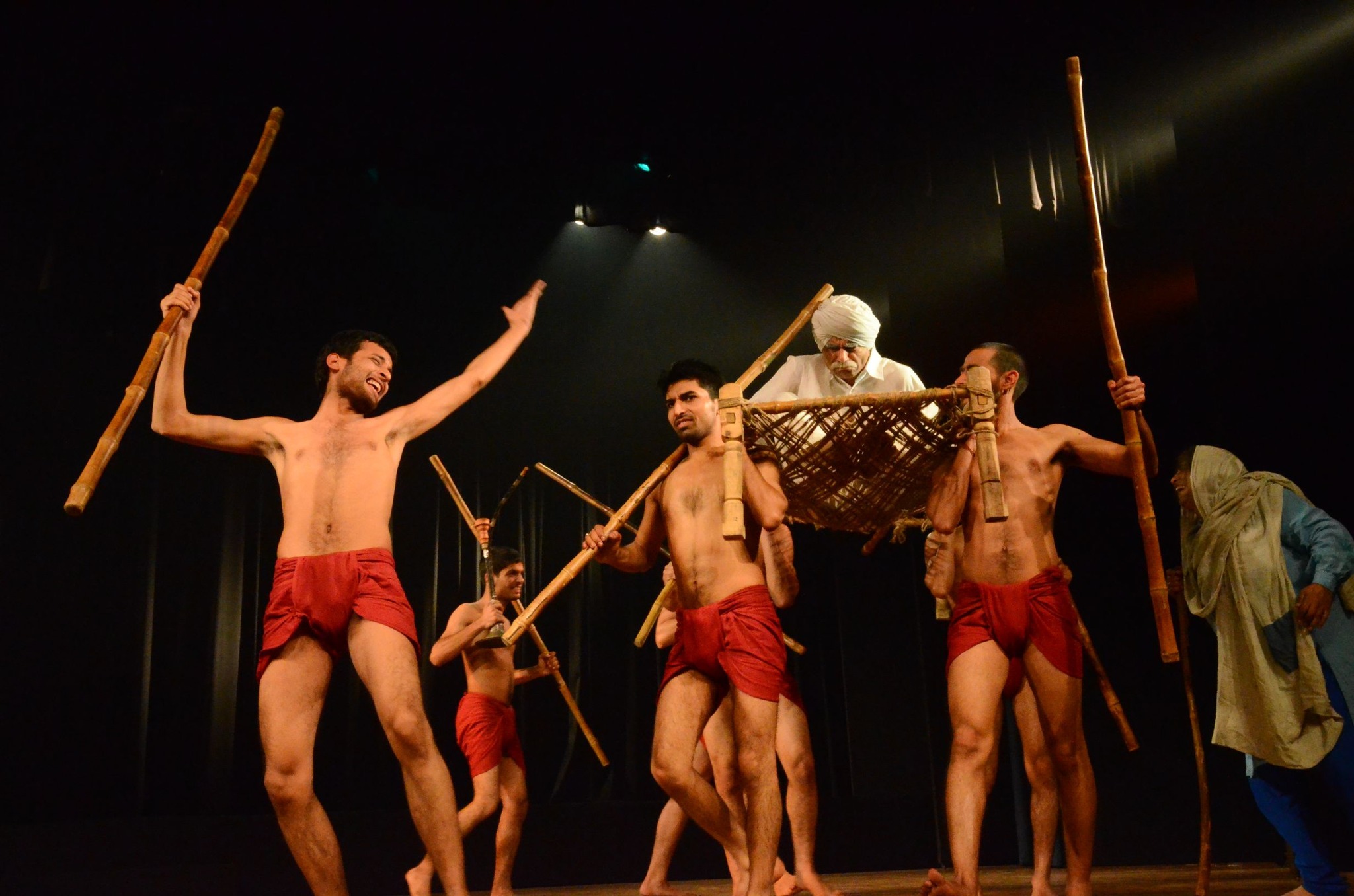
Language and culture are the lifelines of any community—shaping identity, values, and history. For the people of Jammu, the Dogri language is not just a means of communication; it is a legacy of heritage, emotion, and belonging. As we celebrate Dogri Day (Dogri Manyata Diwas) on 22 December 2024, it is important to reflect on the role theatre has played in preserving and elevating this beautiful language.
Theatre: More Than Performance—A Cultural Responsibility
Theatre has always been a powerful instrument of expression and social commentary. It captures the pulse of society, holding a mirror to its strengths and shortcomings. While it entertains and provokes thought, theatre also safeguards cultural identity by preserving stories, traditions, and values.
In the case of Dogri, theatre has served as a key medium to keep the language alive, engaging, and relevant—especially among the younger generation. It has the unique ability to connect emotionally with audiences, leaving behind experiences that stay long after the curtains drop.
Roots of Dogri Theatre
The origins of Dogri theatre trace back to the patronage of the Dogra rulers, who encouraged diverse performing arts. Folk traditions such as Geetru, Karak, and Haran formed the earliest foundations of stage performance in the region. Over time, these folk forms evolved into structured theatre, becoming an integral part of Jammu’s cultural identity.
Natrang and the Legacy of Iconic Dogri Productions
No discussion on Dogri theatre is complete without acknowledging Natrang Jammu, a pioneering institution that has championed Dogri arts for decades.
- Bawa Jitto, staged over 200 times across India, introduced countless audiences to Dogra history and folklore.
- Ghumayee, directed by Padma Shri Balwant Thakur, earned international acclaim, representing India at the Frankfurt International Theatre Festival, 8th Theatre Olympics, and the Commonwealth Games.
- Suno Eh Kahani, another milestone directed by Thakur, has crossed 300 performances, setting a benchmark in Indian regional theatre.
These productions are not merely performances—they are cultural archives, passing the essence of Dogri traditions to new generations.
Challenges: Preserving an Art in a Changing World
Despite its achievements, Dogri theatre struggles with harsh realities:
- Insufficient funding and institutional support
- Limited platforms for performances
- A growing perception that regional arts are less ‘mainstream’
- Younger audiences drifting towards global entertainment trends
Without collective responsibility, this irreplaceable cultural treasure risks fading into obscurity.
The Way Forward: Youth as Torchbearers
The future of Dogri theatre lies in the hands of the youth. Aspiring artists must reconnect with the language, its folk roots, and its storytelling traditions. Equally, society must support performances, recognise local talent, and treat regional art forms with pride—not as afterthoughts.
A Language Lives When Its Stories Live
Theatre is a cultural bridge—one that connects generations, communities, and history. Dogri theatre has the power to strengthen the identity of the Dogra community, inspire cultural pride, and keep centuries-old traditions alive.
As we observe Dogri Day, let us pledge to celebrate and preserve Dogri theatre. By supporting artists, institutions, and performances, we secure not just a language, but a living heritage.
Because:
“A language dies when its last speaker is gone,
but a culture dies when its stories are forgotten.”
Let Dogri stories continue to echo—on stage, in hearts, and across generations.
