


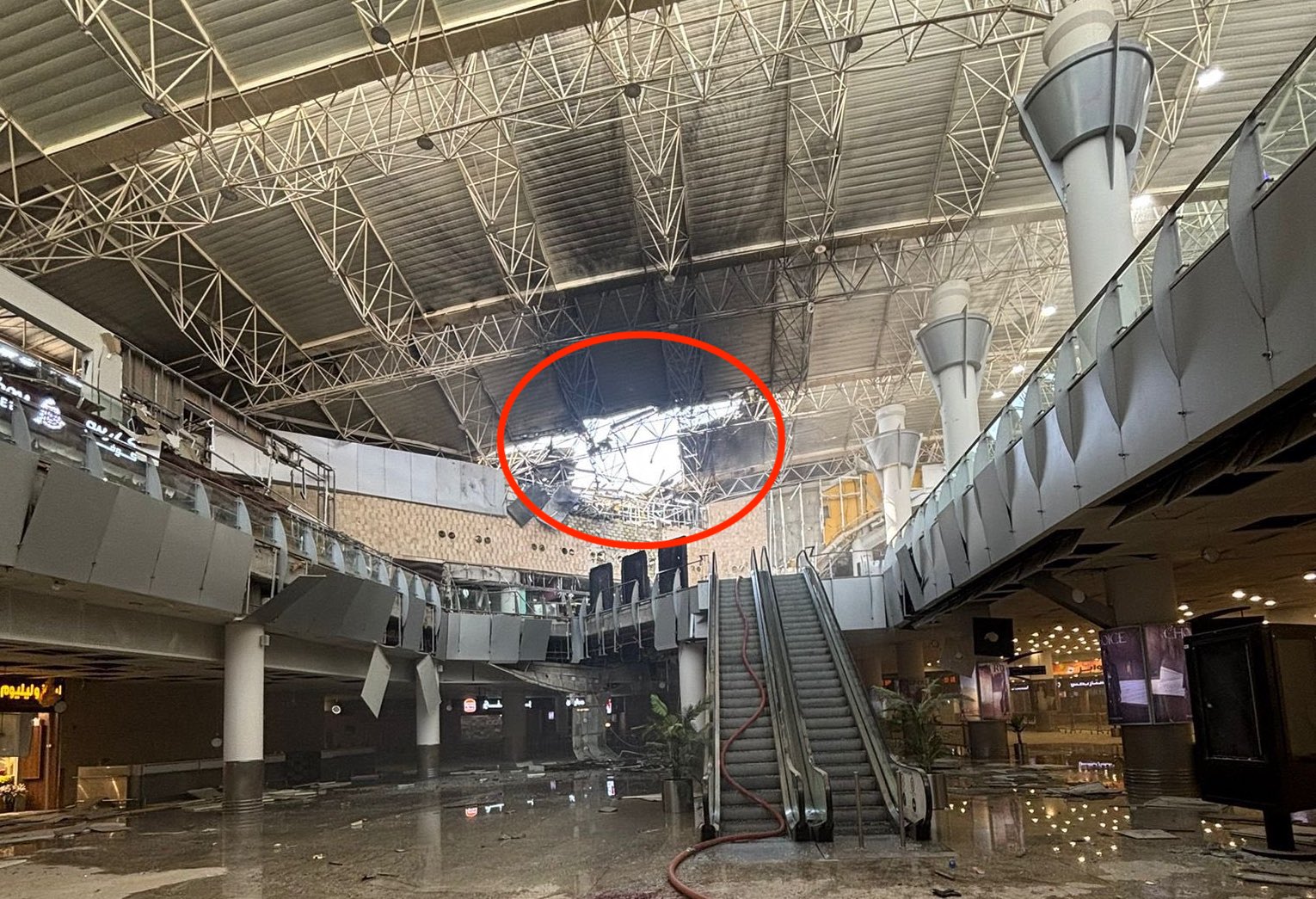
NEW DELHI: An Indian national was killed and several others were injured after an Iranian missile and drone attack targeted Kuwait International Airport, the Indian government confirmed on Wednesday amid escalating hostilities in the Gulf region.
The attack occurred as tensions intensified in West Asia, with Iran reportedly launching strikes on targets in Kuwait and Bahrain, while the United States conducted military operations near the Strait of Hormuz.
According to Kuwaiti authorities, the attack damaged airport infrastructure and diplomatic facilities. The country’s Health Ministry said at least 63 people were injured, including airport workers and passengers.
Following the strike, operations at Kuwait International Airport were temporarily suspended as emergency services responded to the situation.
Condemning the attack, the Ministry of External Affairs (MEA) said India has consistently maintained that civilians and civilian infrastructure must not be targeted during conflicts.
“We condemn the attack on the Kuwait International Airport today in which an Indian national has died and several of our nationals are injured. Since the onset of the conflict in West Asia, we have strongly urged that the civilian population and civilian infrastructure must not be targeted. We again call upon parties to cease such attacks,” the MEA said in a statement.
The ministry expressed condolences to the family of the deceased and said the Indian Embassy in Kuwait was extending all necessary assistance to the injured Indian nationals.
It added that Indian diplomatic missions across the region remain on high alert and are continuing to assist members of the Indian community amid the ongoing crisis.
Meanwhile, Kuwait’s civil aviation authority later announced that flight operations by Kuwait Airways had resumed from Terminal 4 after authorities assessed the damage and implemented necessary safety measures.
The latest escalation has heightened concerns over regional stability, with governments closely monitoring developments and urging restraint to prevent further deterioration of the security situation.
