


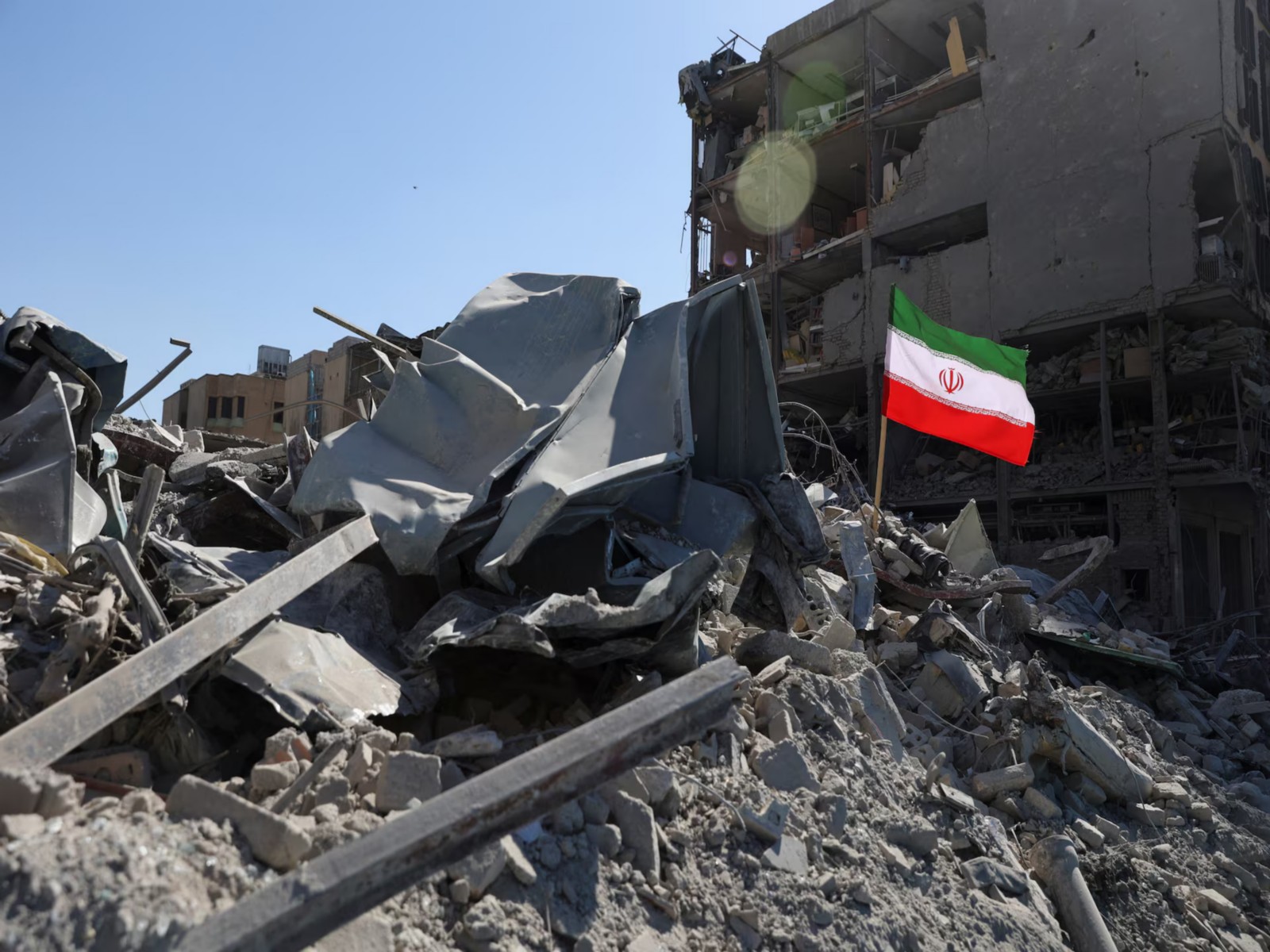
NEW DELHI/TEHRAN: The Embassy of India in Tehran on Tuesday issued an urgent advisory directing all Indian nationals in Iran to remain indoors for the next 48 hours amid escalating regional tensions.
The advisory follows sharp warnings from US President Donald Trump, who cautioned of severe consequences if Iran fails to negotiate a new agreement, including reopening the Strait of Hormuz.
In its directive, the embassy urged Indian citizens to stay indoors, avoid all electric and military installations, and refrain from staying on upper floors of multi-storey buildings. It also advised that any highway travel should be undertaken only in coordination with the mission.
Those staying in embassy-arranged accommodation have been instructed to remain inside and maintain regular contact with embassy teams, while all nationals have been asked to closely follow official updates. Emergency helplines have been activated to assist the Indian community.
Meanwhile, the Ministry of External Affairs confirmed that it has facilitated the movement of thousands of Indian nationals from the region amid the ongoing crisis.
Additional Secretary (Gulf) Aseem R Mahajan said that 1,862 Indian nationals have so far been moved from Iran to Armenia and Azerbaijan for onward travel to India. This includes 935 students and 472 fishermen.
He stated that the government is closely monitoring developments and remains focused on ensuring the safety and welfare of Indian citizens in the region. A dedicated control room is functioning in coordination with Indian missions to manage the situation.
Officials also highlighted ongoing evacuation and travel arrangements, noting that flights continue from countries with open airspace. Since February 28, around 7.6 lakh passengers have travelled from the region to India.
Approximately 90 flights are scheduled from the UAE to India on Tuesday, while limited operations have resumed from Qatar. With airspace closures in Kuwait and Bahrain, alternative evacuation routes are being facilitated through neighbouring countries including Saudi Arabia, Egypt, and Jordan.
The situation remains fluid, with authorities maintaining close coordination to ensure safe evacuation and support for Indian nationals across West Asia.
