


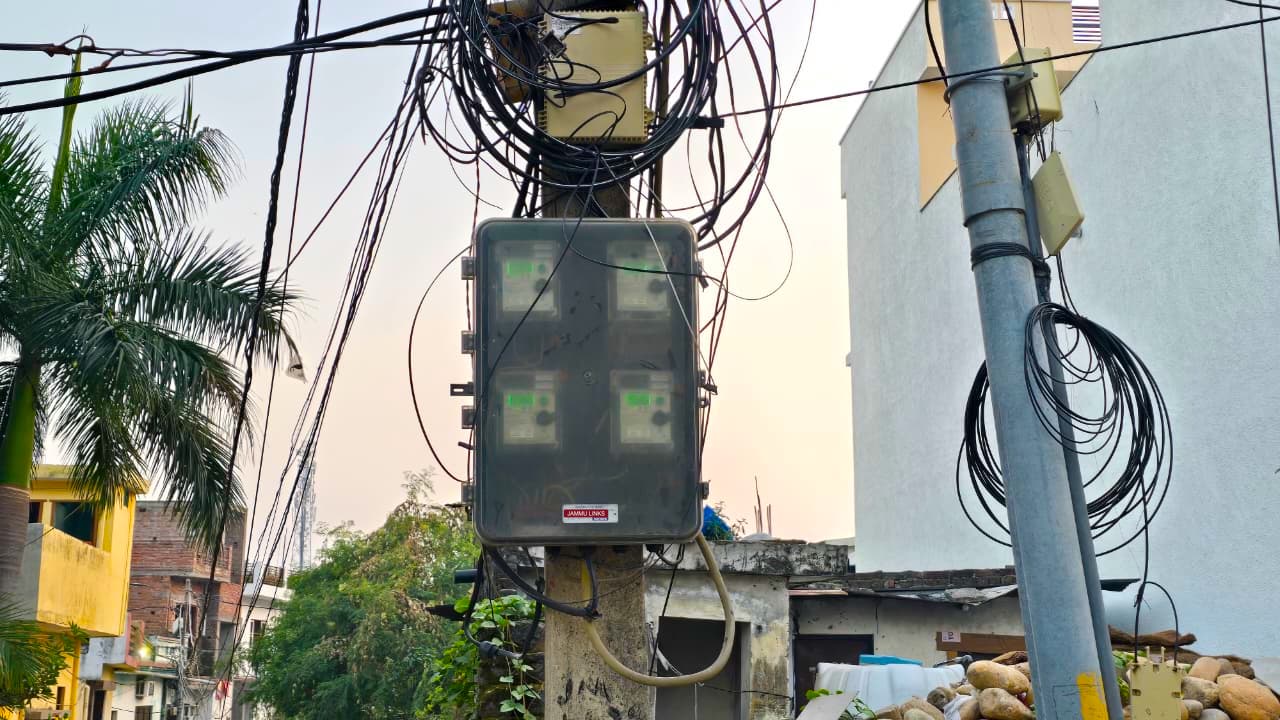
JAMMU: Jammu and Kashmir has recorded significant progress in its smart power metering initiative under the Revamped Distribution Sector Scheme (RDSS), installing 3.81 lakh smart meters since 2024—amounting to 40% completion of the overall project target, officials said.
The rollout began in November 2020, initially aiming to install 20,000 meters in select areas of Jammu and Srinagar. The first phase eventually expanded and concluded in 2022 with 1.5 lakh meters installed.
The ongoing second and third phases, launched in 2024, target over 9.5 lakh smart meters by 2026.
The latest progress was reviewed by Chief Secretary Atal Dulloo during a meeting focused on power sector reforms, infrastructure strengthening, and loss reduction.
According to detailed figures, 3,81,671 meters have been installed out of the sanctioned 9,50,755:
- JPDCL (Jammu): 1,87,894 meters installed against a target of 7,62,872
- KPDCL (Kashmir): 1,93,777 meters installed against a target of 7,27,855
Officials said RDSS aims to complete ₹4,709 crore worth of loss-reduction works and ₹1,053 crore in smart metering projects, implemented through four major agencies—JPDCL, KPDCL, Powergrid Energy Services Ltd (PESL) and NTPC.
Progress in loss reduction and IT/OT works stands at:
- JPDCL: 74%
- KPDCL: 73%
- PESL (Kashmir/Jammu): 57% / 33%
- NTPC: 72% / 31%
Officials also reported sharp improvements in power sector performance indicators:
- AT&C losses reduced from 58% (2022) to 32% now, with a target of 12% by 2028
- ACS-ARR gap decreased from ₹3.11 to ₹1.29 per unit
- Billing efficiency improved from 56% to 69%
- Collection efficiency increased from 75% to 94%
The Chief Secretary directed strict adherence to timelines and asked for daily and weekly targets for works such as LT cabling, HT line upgrades, pole installations, system augmentation, and feeder segregation. He also called for feeder-wise revenue monitoring and strict action against non-performing officials.
Divisional Commissioners of Jammu and Kashmir have been instructed to conduct monthly reviews and identify field staff lagging in performance.
