


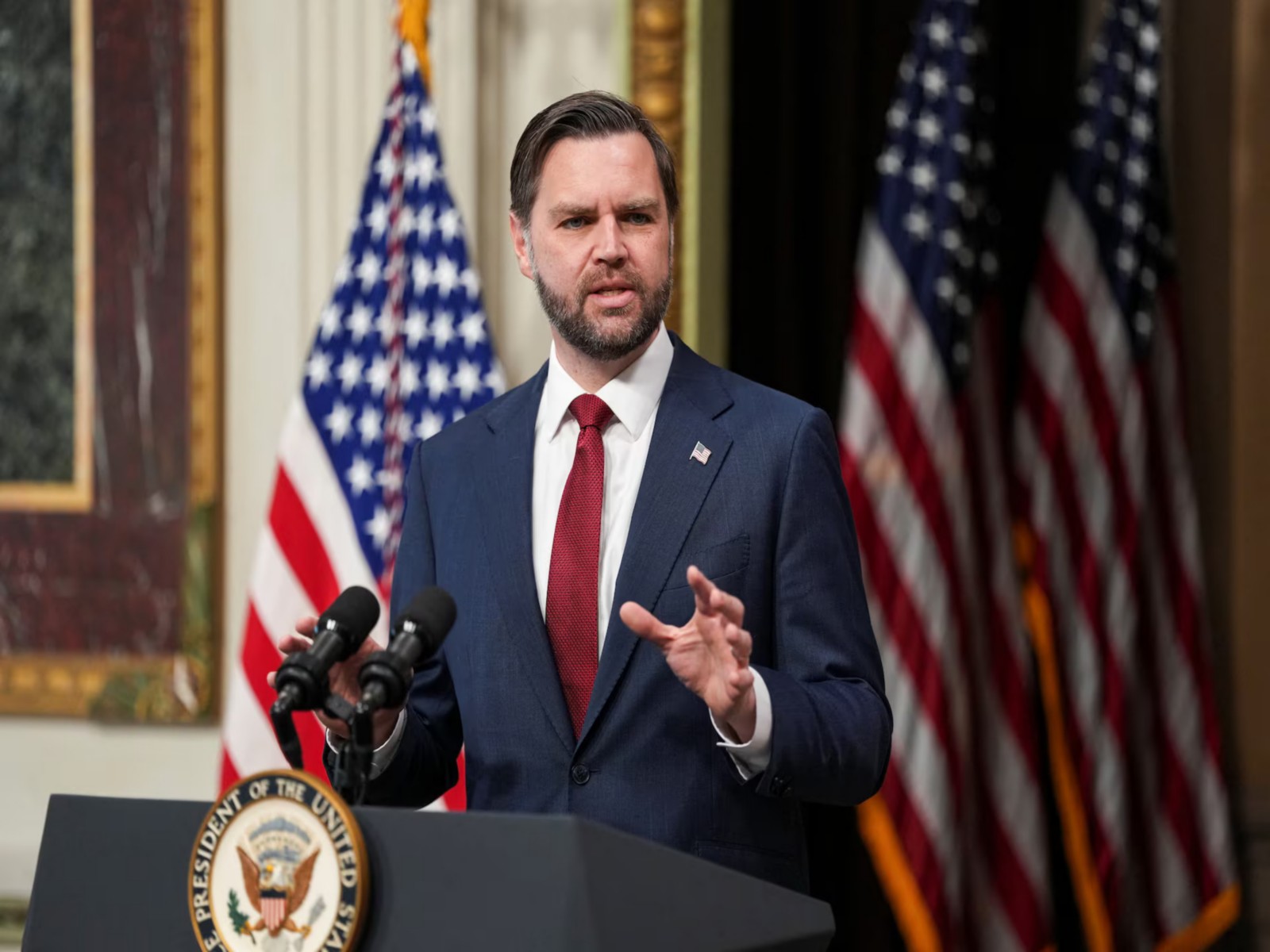
WASHINGTON: US Vice President JD Vance has defended the Trump administration’s efforts to tighten the H-1B visa programme, saying the system should prioritise highly skilled professionals who contribute significantly to the US economy rather than being used to replace American workers with lower-paid foreign labour.
Speaking on the All-In Podcast, Vance said the administration had pursued administrative changes because he believed Congress would not pass legislation reforming the programme. He said the goal was to ensure that companies seeking H-1B workers were bringing in talent capable of making a significant contribution to the technology sector and the wider American economy.
Vance cited the proposed $100,000 H-1B fee as one of the measures being used to address what he described as abuse of the system. The Trump administration has separately proposed a permanent $103,265 fee for certain new H-1B petitions, substantially above earlier fee levels.
The Vice President also said the administration was examining measures to prevent companies that lay off large numbers of US workers from simultaneously seeking foreign workers through the H-1B programme. He questioned the logic of companies claiming they could not find workers while having recently carried out major layoffs.
Vance said the administration was pursuing these measures within its legal authority and acknowledged that some of its immigration actions had faced lawsuits.
“The H-1B should not exist to replace American workers with low-wage foreigners. It should exist to enrich the American economy,” Vance said during the podcast.
The administration’s broader H-1B policy changes come alongside other proposed immigration measures. The Department of Homeland Security has also proposed eliminating the existing 60-day grace period that allows certain H-1B and other temporary visa holders to remain in the US after losing their jobs, a proposal that remains subject to public comment and further rulemaking.
The measures have implications for US employers and foreign professionals who rely on the H-1B system, particularly in technology and other specialised sectors. The administration has argued that the changes are intended to curb misuse of the programme and encourage greater hiring and training of American workers, while critics have raised concerns about their potential effects on businesses and skilled immigrant workers.
