


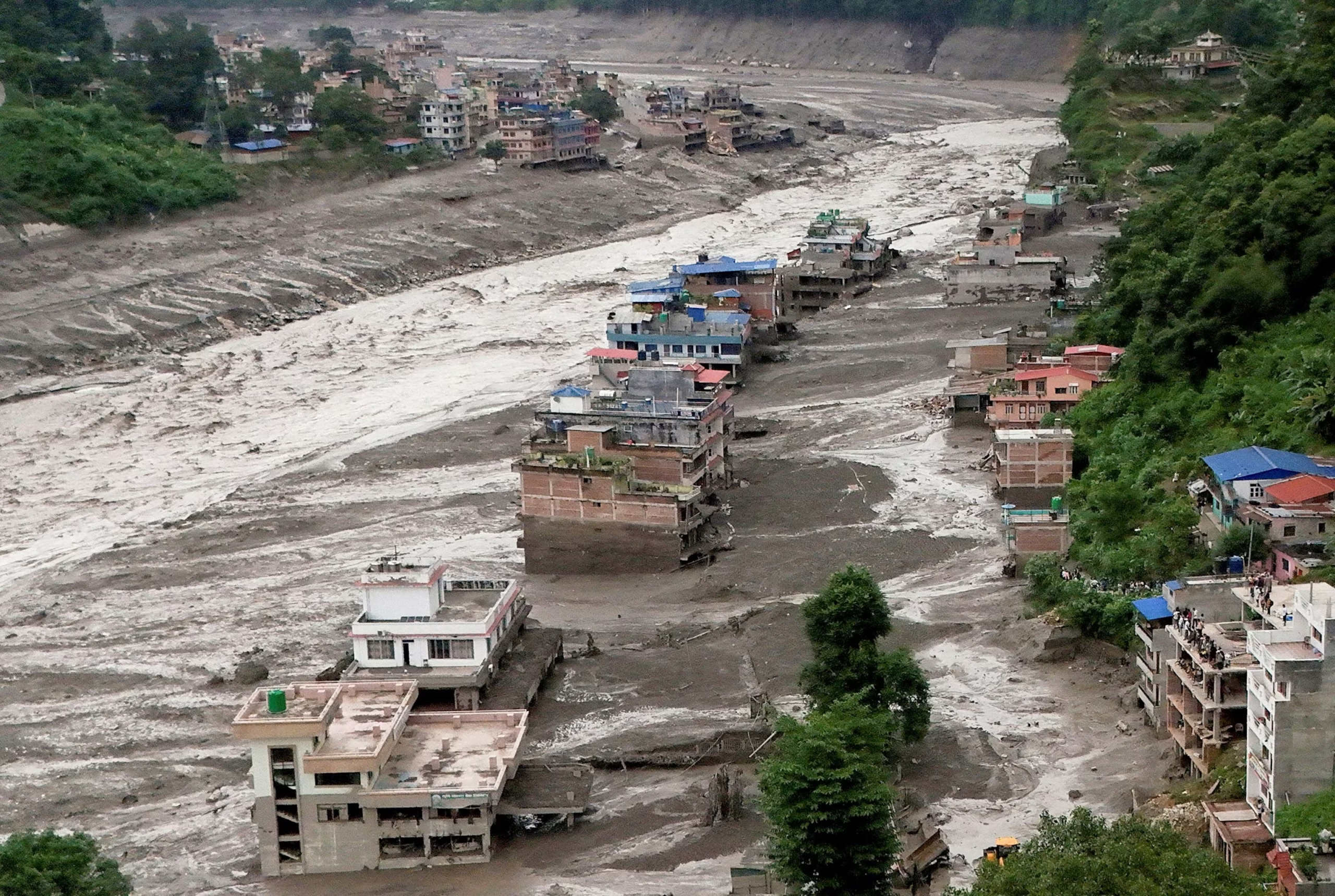
KATHMANDU: Nepal continued to reel from one of its worst Himalayan disasters on Saturday as the death toll from catastrophic flash floods climbed to 626, while nearly 2,500 people remained unaccounted for across Nepal and neighbouring Tibet.
The floods swept through Rasuwa and other parts of central Nepal on Wednesday after a massive collapse involving glacier ice and rock near the Nepal-China border unleashed a torrent of water, mud and debris through the Bhotekoshi-Trishuli river system.
Latest reports citing Nepal Police put the death toll at 626, up sharply from the 579 deaths recorded by Nepal’s National Disaster Risk Reduction and Management Authority by Friday evening.
The disaster has devastated settlements, washed away roads and bridges and inflicted extensive damage on hydropower projects and other infrastructure across the mountainous region.
Authorities are also confronting the threat of renewed flooding after water levels rose in areas affected by the initial disaster.
People living along the Bhotekoshi and Trishuli rivers, as well as rescue personnel operating in the region, have been advised to remain vigilant and move to safer ground if conditions deteriorate.
Nearly 2,500 people remain missing across Nepal and Tibet as search-and-rescue operations continue.
Nepalese authorities had listed 1,924 people as missing by Friday evening, including 517 foreign nationals and hundreds of workers employed at hydropower projects.
Across the border in Tibet, Chinese authorities have reported more than 550 people missing, including hundreds of foreign nationals.
The casualty and missing-person figures have risen sharply as authorities gain access to areas that were earlier cut off by destroyed roads, collapsed bridges and communication failures.
Officials have cautioned that the numbers could change further as assessments continue in remote valleys and disaster-hit settlements.
The Nepal Tourism Board said more than 100 tourists had been rescued following the floods and landslides, while security forces and emergency agencies have evacuated thousands of residents, workers and visitors from affected areas.
Rescue operations, however, have been hampered by bad weather, thick layers of mud and debris, damaged transport links and the continuing danger of secondary floods and landslides.
Particular concern remains over people believed to be trapped or missing around hydropower projects in the Trishuli river belt.
