


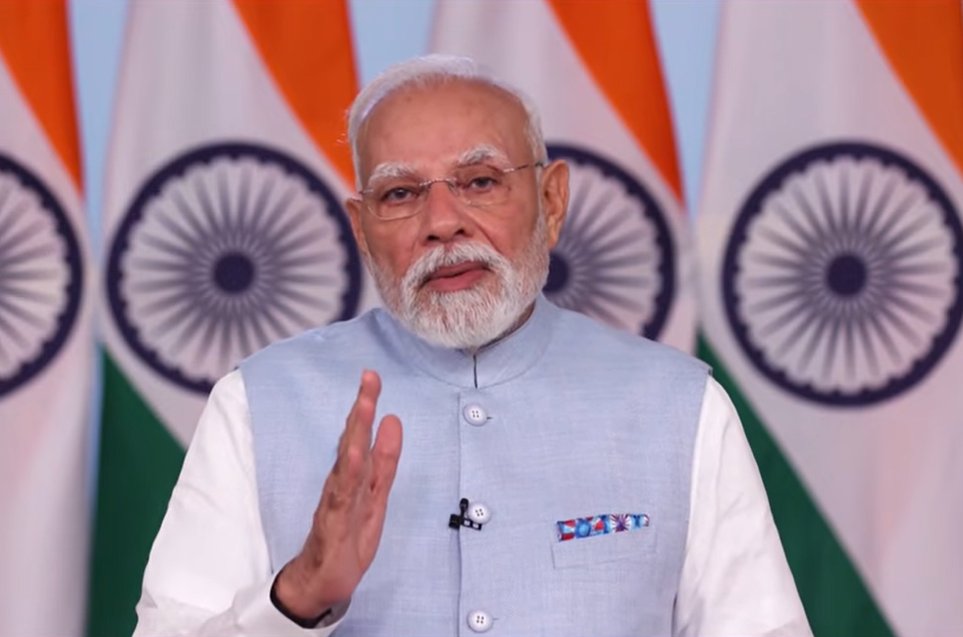
NEW DELHI: Prime Minister Narendra Modi on Sunday announced the implementation of the next-generation Goods and Services Tax (GST) reforms from September 22, coinciding with the first day of Navratri. Calling it a festive gift to the nation, he said the reforms would mark a “GST Bachat Utsav” for the poor, middle class, farmers, traders, and entrepreneurs.
“From the sunrise of the first day of Navratri, the nation is taking another major step towards the Aatmanirbhar Bharat Abhiyan. The Next Generation GST Reforms will come into effect tomorrow, September 22, with the rising of Suryadev,” PM Modi said in a televised address.
He added that the reforms would increase household savings, make purchases easier, boost business confidence, and support inclusive growth.
“During this festive season, everyone will have reason to celebrate, and the happiness of every family in the country will grow,” he said.
Key Features of the Reforms:
- Simplified structure: Current four-rate GST system replaced with two slabs – 5% and 18%.
- Luxury & sin goods: A separate 40% slab retained.
- Consumer benefits: Expected to reduce prices, ease compliance, and boost purchasing power.
- Business impact: Reforms aimed at supporting MSMEs, manufacturing, agriculture, automobiles, FMCG, and renewable energy.
- Economic push: Designed to attract investment, widen the tax base, and strengthen cooperative federalism by ensuring equal participation of all states.
The decision, approved in the 56th GST Council meeting earlier this month, is being projected as the biggest tax reform since GST’s introduction in 2017.
