


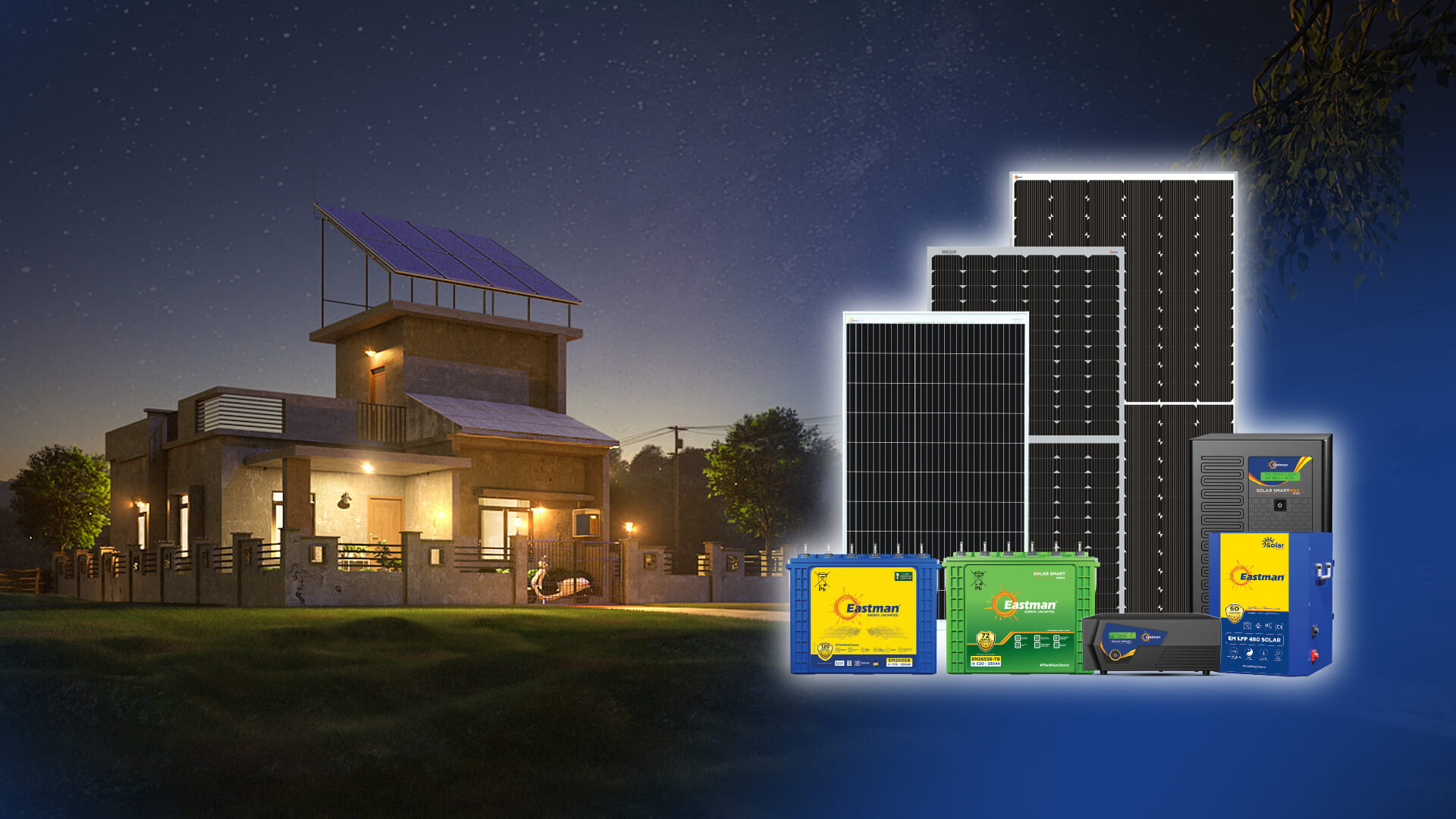
Solar panels may be the most visible part of a rooftop installation, but they cannot independently supply usable electricity to most appliances. The power produced by these panels must pass through another essential component before it can support the property’s electrical requirements.
A solar inverter for efficient power conversion performs this critical role within the setup. Its contribution extends beyond basic electricity conversion, making it important for the safe, stable, and effective operation of the entire installation.
Without the right inverter, the electricity generated by solar panels cannot be managed or utilised correctly. Let’s look at what a solar inverter does and why every solar power setup needs one.
What Does a Solar Inverter Do?
A solar inverter connects the electricity generated by solar panels with the electrical system of a home or business. It performs several important functions:
- Converts DC Electricity Into AC Electricity
Solar panels generate direct current electricity. The inverter converts it into alternating current (AC) electricity, which is used by most household appliances and commercial equipment. Without this conversion, the generated solar power cannot directly operate standard electrical devices.
- Regulates Power Output
Solar generation changes according to sunlight availability. The inverter manages these fluctuations and provides a stable electricity output for connected loads. This regulation supports the consistent operation of appliances when solar conditions vary.
- Optimises Energy Generation
Many inverters use Maximum Power Point Tracking (MPPT) technology to identify the most efficient operating point of the solar panels. This helps obtain the highest practical output under changing weather conditions. Better energy utilisation can improve the overall performance of the installation.
- Coordinates Grid Interaction
In an on-grid setup, the inverter synchronises solar electricity with the voltage and frequency of the utility grid. It also manages the flow of surplus electricity from the property to the grid. Proper synchronisation allows solar and grid power to work together safely.
- Supports System Monitoring
Compatible models can provide information about generation, consumption and operating performance. This data helps users detect unexpected reductions in output or possible system faults. Regular monitoring can also support timely maintenance and performance assessment.
- Provides Essential Safety Protection
The inverter can disconnect the system when it detects unsafe voltage, frequency changes, or grid failure. This helps protect electrical equipment, maintenance personnel, and the wider utility network. Built-in protection features can also reduce the risk of damage caused by abnormal operating conditions.
Which Type of Solar Inverter Does a Setup Need?
The right solar inverter depends on how the installation will generate, store, and distribute electricity. The three main options are:
- On-Grid Solar Inverter
An on-grid inverter is designed for systems connected to the utility network. It allows the property to use solar electricity while drawing additional power from the grid when required. Surplus generation may also be exported under applicable net metering regulations.
- Off-Grid Solar Inverter
An off-grid inverter operates without depending on the utility network. It works with compatible battery storage to supply electricity when solar panels are not actively generating power. This option is suitable for remote locations or areas with limited grid availability.
- Hybrid Solar Inverter
A hybrid inverter combines features of on-grid and off-grid models. It can manage electricity from solar panels, the utility grid, and compatible batteries within one setup. This makes it suitable for consumers seeking both bill reduction and backup power.
Selecting the appropriate inverter type ensures that every component works according to the property’s energy requirements. A professional load assessment can help determine which configuration is most suitable.
How Do You Choose the Right Solar Inverter?
Selecting a suitable inverter requires more than choosing between on-grid, off-grid, and hybrid models. The following factors can help consumers make an informed decision:
- Match the Inverter With System Capacity
The inverter capacity should correspond with the total output of the installed solar panels. Incorrect sizing may restrict power conversion or reduce overall performance. A qualified installer can calculate the appropriate capacity for the proposed setup.
- Check the Efficiency Rating
Inverter efficiency indicates how effectively the device converts available solar electricity. A higher conversion efficiency can reduce energy losses during regular operation. Consumers should compare verified product specifications before making a selection.
- Assess Battery Compatibility
Off-grid and hybrid installations require an inverter that supports the selected battery type, capacity, and voltage. Compatibility helps ensure safe charging and effective power distribution. Later battery expansion should also be considered during selection.
- Review Safety Features
Look for protection against overvoltage, short circuits, overheating, and abnormal grid conditions. These features support safer system operation and help protect connected components. Products should comply with applicable quality and safety standards.
- Consider Monitoring Capabilities
A solar inverter with a display or digital monitoring function can provide useful performance information. Easy access to generation and fault data simplifies routine supervision. Some models may also offer remote monitoring through a compatible application.
Build a Dependable Solar Setup With the Right Inverter
A solar inverter is central to creating a reliable and practical solar power setup. Its capacity, efficiency, safety features, monitoring options, and compatibility should be evaluated before purchase. Selecting the right model helps the entire installation operate effectively and supports consistent performance over time.
Consumers should base their decision on property requirements rather than choosing an inverter solely by price. Professional system assessment, proper installation, and reliable after-sales assistance are equally important. Solar solutions from brands like Eastman Auto & Power Limited include inverter options for different system configurations.
Choosing a suitable product from a dependable provider can support safer operation, effective power management, and long-term value from the solar investment.
